Description
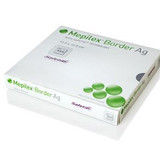
Mepilex® Border Sacrum Silicone Foam Dressing
Mepilex® Border Sacrum is a self-adherent, multi-layer silicone foam dressing specifically shaped for the sacral area. Designed for both the treatment and prevention of pressure injuries, it combines effective exudate management with a soft silicone contact layer to help minimise pain and trauma during dressing changes.
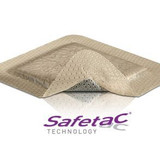
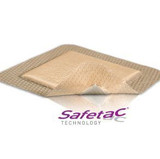
The dressing features Mölnlycke’s Safetac® soft silicone wound contact technology, designed to adhere gently to the surrounding skin while reducing trauma to the wound and peri-wound area on removal. Its multi-layer absorbent construction helps manage wound fluid, minimise the risk of maceration and maintain a moist wound-healing environment.
A breathable, waterproof outer film provides a barrier against external contaminants, while the anatomically shaped design helps the dressing conform securely around the sacrum and gluteal cleft.
Key benefits of Mepilex® Border Sacrum
- Anatomically shaped sacral silicone foam dressing
- Designed for the treatment and prevention of pressure injuries
- Suitable for moderate to highly exuding sacral wounds
- Safetac® soft silicone contact layer helps minimise pain and trauma at dressing removal
- Multi-layer absorbent pad supports effective exudate management
- Helps reduce the risk of peri-wound maceration
- Designed to maintain a moist wound-healing environment
- Waterproof and breathable outer film
- Provides a barrier against external contaminants
- Flexible design conforms to the sacral area and gluteal cleft
- Handling tabs help support easier application and removal
- Available in a range of sacral dressing sizes
What is Mepilex® Border Sacrum used for?
Mepilex® Border Sacrum is designed for the management of exuding wounds in the sacral area, particularly sacral pressure ulcers. It can also form part of a comprehensive pressure injury prevention strategy for patients considered at risk of developing pressure damage.
For wound treatment, the dressing absorbs and retains exudate while helping maintain an appropriate moist wound environment. Its soft silicone contact layer is designed to support gentle dressing changes and help protect fragile surrounding skin.
Mepilex® Border Sacrum may also be used on dry or necrotic wounds when used in combination with an appropriate wound gel and according to clinical guidance.
How does Mepilex® Border Sacrum work?
Mepilex® Border Sacrum uses a multi-layer absorbent structure consisting of foam, a fluid-spreading layer and superabsorbent fibres. These layers work together to absorb and distribute wound exudate throughout the dressing.
The Safetac® silicone contact layer gently adheres to the surrounding skin while helping to minimise trauma to the wound and skin during removal.
Its waterproof yet breathable outer film helps protect the wound from external contaminants, while the sacral shape is designed to optimise fit and sealing around the gluteal cleft.
Mepilex® Border Sacrum for pressure injury prevention
Mepilex® Border Sacrum can be used as part of a pressure ulcer prevention protocol for patients at increased risk of sacral pressure damage.
The multi-layer construction is designed to help manage factors associated with pressure injury development, including pressure, shear and friction, while supporting an appropriate skin microclimate beneath the dressing.
Use of a prophylactic dressing should form part of a wider pressure injury prevention strategy that may also include patient repositioning, appropriate support surfaces, skin care, nutrition, hydration and mobility management.
Why choose Mepilex® Border Sacrum?
Mepilex® Border Sacrum combines high-performance exudate management, gentle silicone adhesion and an anatomically shaped design specifically developed for the sacral area.
Whether used to manage an existing sacral pressure ulcer or as part of a pressure injury prevention programme, the dressing provides cushioning, fluid management and skin protection while helping make dressing changes less traumatic for the patient.
Dressing selection, application and frequency of change should always be based on clinical assessment and the manufacturer's instructions for use.